Our solution enables real-time monitoring and data transmission, offering instant feedback on equipment status and environmental conditions. With smart diagnostics and early warnings, we reduce maintenance costs and improve system reliability.
High Reliability
Our devices operates reliably in harsh environments, such as high humidity in wind farms or extreme temperatures in solar power plants, ensuring stable communication and continuous energy supply.
Integration
GPSENKE solutions seamlessly integrate with SCADA, DCS, and other control systems, enabling real-time monitoring, data collection, and remote control, optimizing equipment operation and improving energy production.
Wind Farm&Turbine
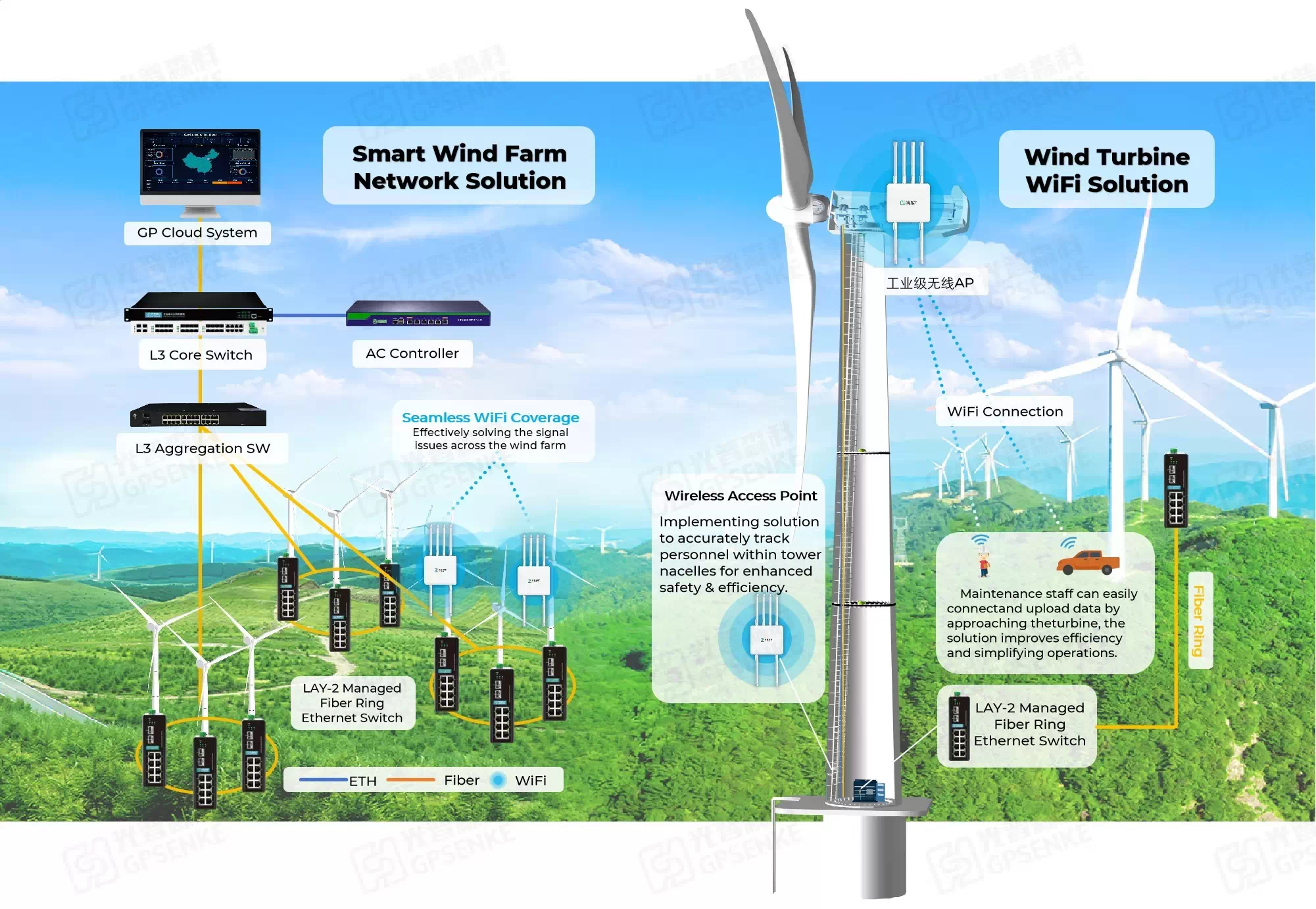
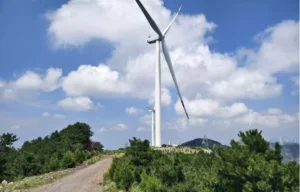
Wind farm operations rely on efficient communication and monitoring systems to ensure the stable operation of turbines and maximize power generation efficiency. Through wireless networks and IoT technology, wind farms can monitor turbine performance, environmental parameters, and power data in real-time, quickly identify faults, and conduct remote diagnostics. Integrated with data analysis platforms, the system helps optimize maintenance schedules, reduce downtime, lower operational costs, and improve the overall reliability and effectiveness of the wind farm.It is designed to facilitate the intelligent and efficient management of Wind Energys, enhance power generation efficiency, reduce operational costs, and ensure reliability and safety.
Traditional Wind Farm Pain Point
Traditional Wind Farm
Wind farms in remote areas like mountains and deserts face weak carrier signals and harsh weather, challenging network hardware durability.
Inspections and work permits are hindered by poor signals.
Network construction is limited by scarce fiber resources.
On-site Work
Complex wind farm environments hinder safety.
Scattered locations reduce management efficiency.
Distance from booster stations causes disconnection.
Lack of signal in turbines complicates worker location.
Network Management
Invisible Network: Slower repairs, higher costs.
Device Surge: Data increase strains processing.
Security Risks: Many devices, complex security.
Tech Updates: Essential for improved network and safety.
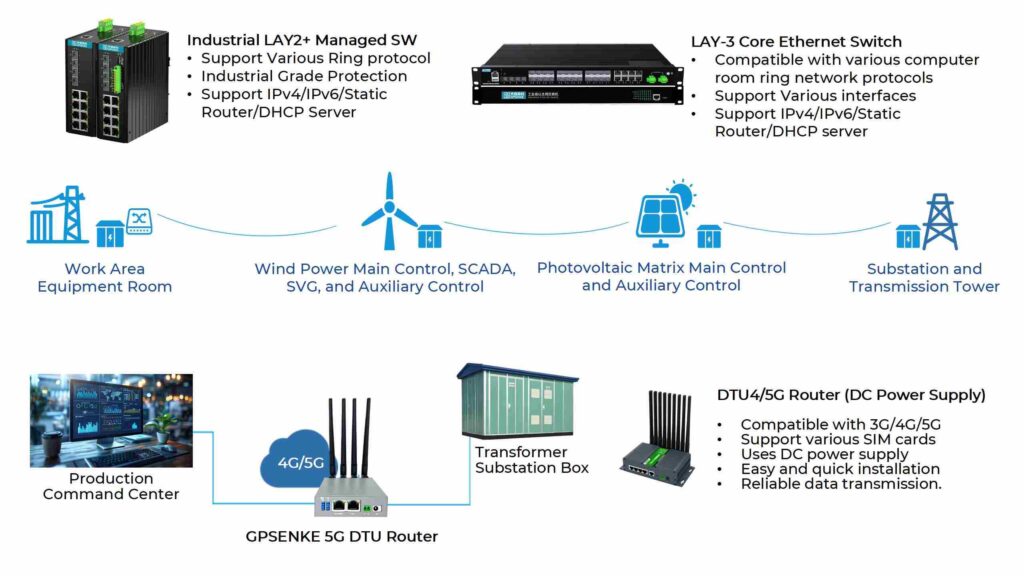
The Smart Wind Energy Networking Solution is an integrated network architecture that combines both wireless and wired networks to meet the communication and data transmission needs of Wind Energys. It is designed to facilitate the intelligent and efficient management of Wind Energys, enhance power generation efficiency, reduce operational costs, and ensure reliability and safety.
Photovoltaic Matrix Plant Data Acquisition
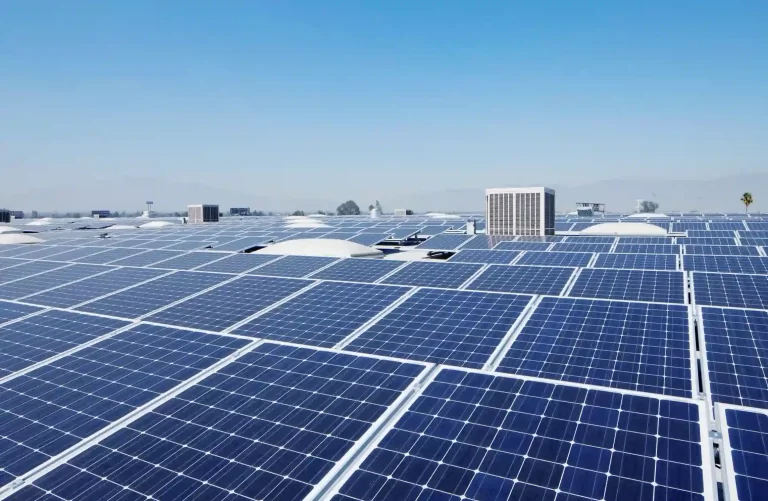
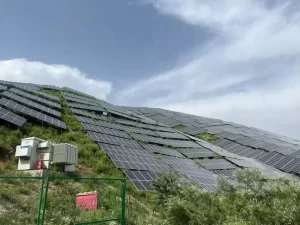
The data acquisition system of photovoltaic matrix plants collects real-time operational data from photovoltaic modules, inverters, and environmental monitoring devices, such as current, voltage, temperature, and power, through efficient sensors and communication equipment. Data is transmitted via wireless or wired networks to centralized management systems or cloud platforms for real-time analysis, fault diagnosis, and performance optimization. This system enables precise monitoring and efficient management, ensuring the generation efficiency and reliability of photovoltaic plants.
We Provide
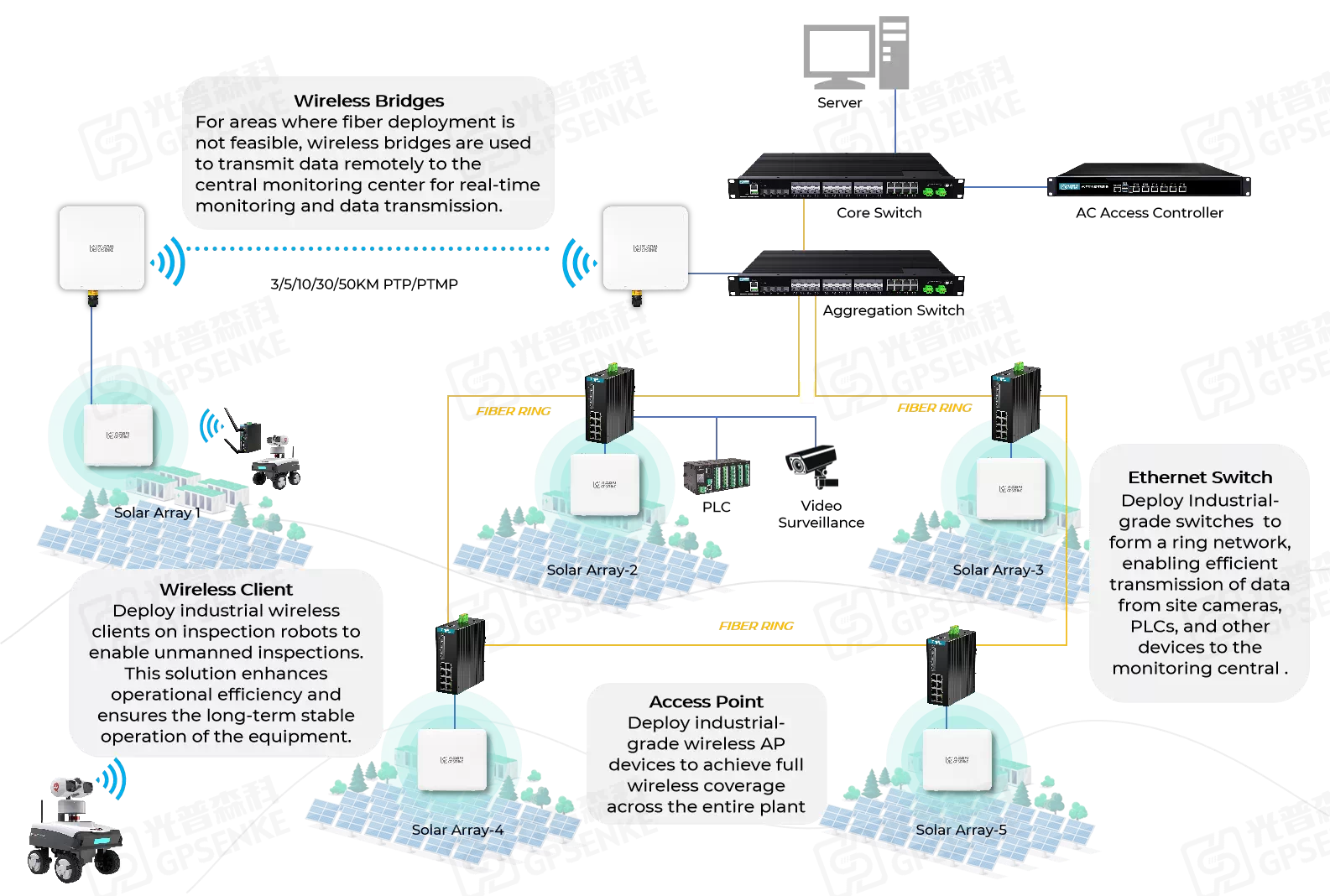
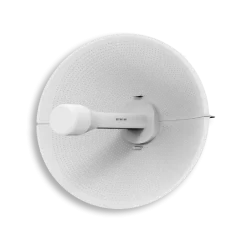
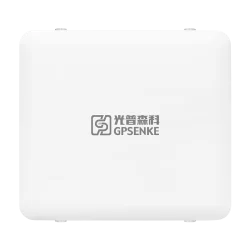
Comprehensive Wireless Network Coverage We deploy high-performance industrial-grade wireless AP devices at solar plants, ensuring full wireless coverage and stable communication between devices. Our solution meets the wireless data transmission needs of the plant, supports unmanned inspections, and enables intelligent functionalities, ensuring seamless connectivity and efficient management of plant equipment.
Stable and Reliable Data Transmission Network By combining fiber-optic transmission and wireless bridge technology, we establish stable and fast communication links for solar plants, ensuring real-time data transmission. Whether in areas requiring fiber-optic installation or remote stations where cabling is not possible, GPSENKE’s solution provides efficient connectivity and reliable remote data transmission.
Intelligent Monitoring and Management System Our communication solution supports remote monitoring and centralized management of key data, including PLCs, video surveillance, and inverters. It enables real-time monitoring of the operational status and health of each device, providing strong data support for daily maintenance and fault diagnosis.
Flexible Network Architecture and Scalability GPSENKE offers scalable network architectures based on the varying needs of solar plants. Whether for a single site or a distributed network of multiple stations, our solution efficiently and flexibly supports network deployment and resource optimization, ensuring long-term development.
Energy Storage Monitoring System
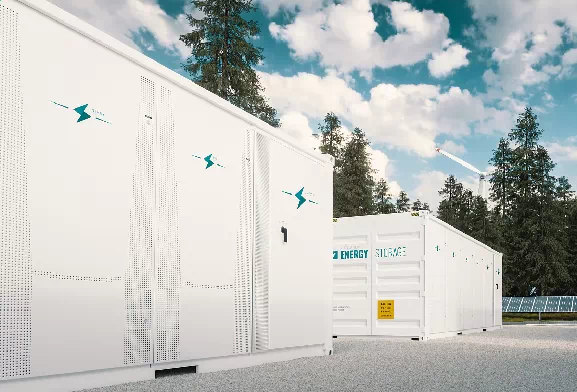
Through wireless communication and IoT technology, energy storage systems can monitor battery status, temperature, and charge levels in real-time, automatically adjusting charge and discharge operations. Unmanned inspection systems enable remote monitoring and fault diagnosis of storage equipment, ensuring efficient and stable operation under various working conditions, thereby enhancing system reliability and efficiency.
Electricity Distribution Automation & Power Inspection Systems
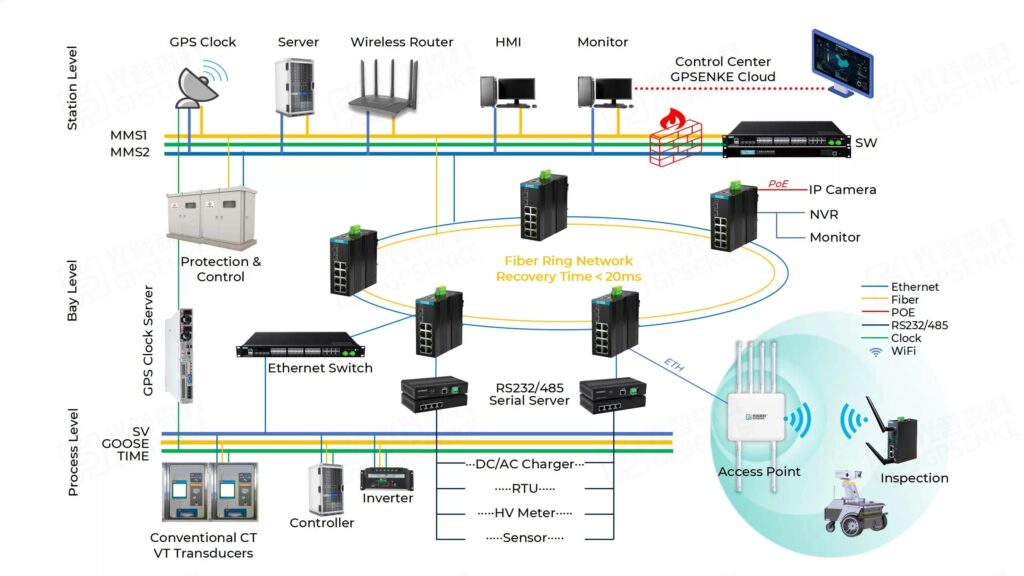
In the electric power sector, solutions like Distribution Automation and Power Inspection Systems ensure efficiency, safety, and reliability. Distribution automation integrates advanced technologies to enable real-time monitoring, control, and rapid fault isolation, optimizing the performance of the power grid. Power inspection systems use wireless communication and IoT technologies for equipment monitoring, predictive maintenance, and reducing downtime. Together, these solutions enhance grid management, improve energy distribution, and ensure a more reliable power supply.
Distribution Automation
Based on the primary grid architecture and equipment of the distribution network, this solution integrates computer, information, and communication technologies. Through seamless integration with relevant application systems, it enables real-time monitoring, control, and rapid fault isolation of the distribution network. This ensures that the distribution management system is supported by real-time data, improving operational efficiency and system reliability.